
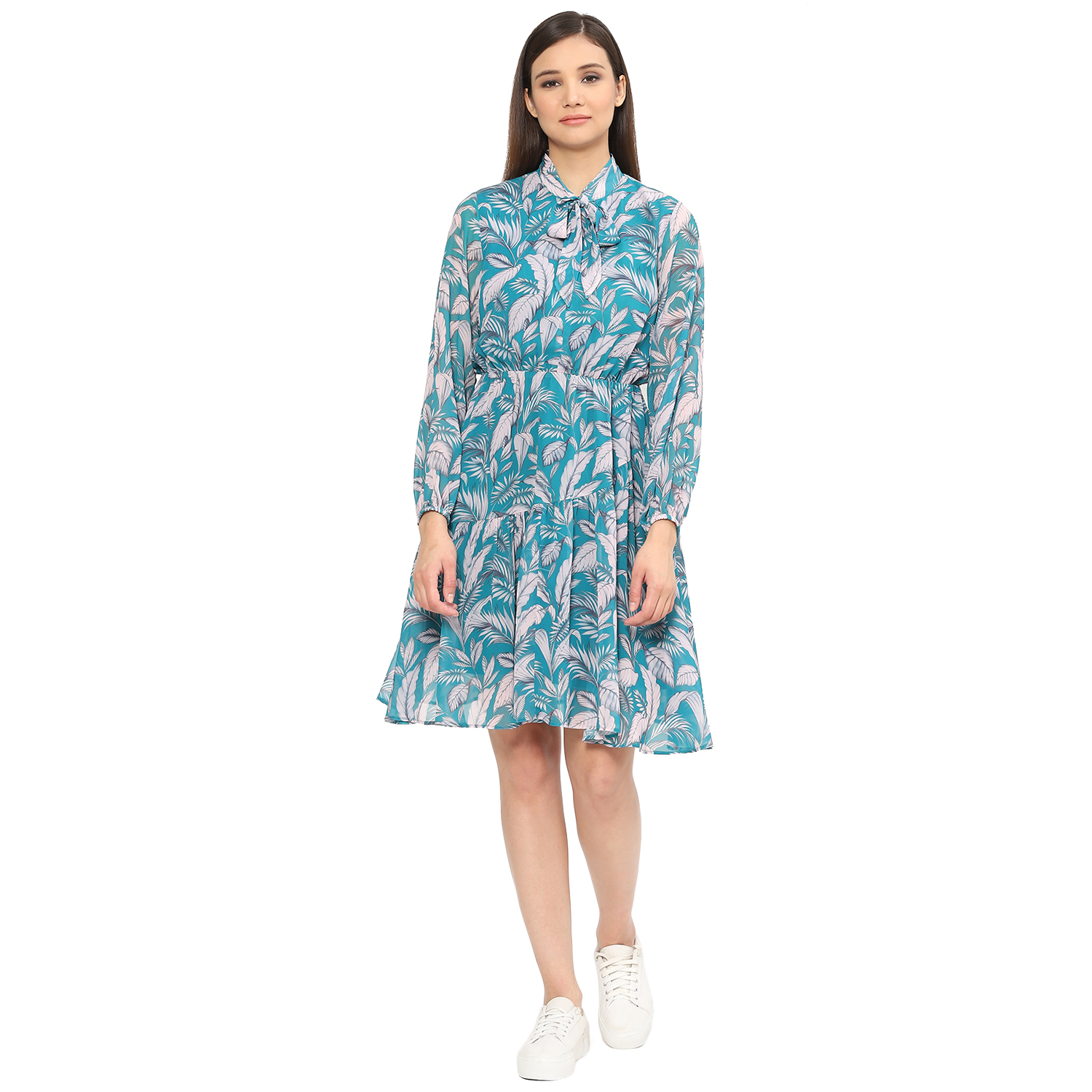
Quality doesn’t happen at the end of the line. It happens at every step, from the moment fabric enters the factory to the moment the finished garment leaves the floor. At Nath Brothers, a women’s garment manufacturing unit known for reliability and precision, quality is not a department—it’s a culture.
This blog takes you inside the actual workflow, systems, and thinking that shape Apparel Quality Control at Nath Brothers. If you’ve ever wanted a real look at how a professional apparel unit keeps quality consistent, this is your guide.
Why Quality Control Matters in Women’s Apparel
The women’s wear segment moves quickly. Patterns evolve, fits change, and expectations rise. A single misstep—wrong measurements, poor stitching, shade variation—can ruin customer trust and damage a brand.
This is why strict Textile Quality Assurance and Garment QC are essential.
For buyers, a dependable manufacturer is the difference between smooth launches and costly delays. For consumers, garment quality decides whether they buy again. For us, it is a non-negotiable part of the Apparel Manufacturing Process.
Nath Brothers has spent years building systems that catch defects, prevent errors early, and guarantee consistency across every batch.
The Foundation: A Quality-Driven Factory Culture
Quality starts with mindset. Before any machinery or inspection system, we make sure our teams understand the “why” behind quality.
1. Training Every Worker on Standards
Every operator receives training on:
-
Stitch types and tension balance
-
Marker discipline
-
Handling fine fabrics
-
Seam allowances
-
Operation sequence
-
Common defects and how to avoid them
When a team understands how their work affects the next team, Factory Quality Control becomes a shared responsibility.
2. Standard Operating Procedures (SOPs)
Nath Brothers runs on SOPs—clear, detailed instructions for each task. This prevents guesswork and keeps production consistent, even when teams rotate.
3. Zero-Defect Thinking
Our goal is not to fix defects—it is to stop them before they happen. This mindset shapes every stage of our Real Apparel Unit.
Stage-by-Stage Breakdown of Quality Control at Nath Brothers
Let’s walk through the actual Apparel Manufacturing Process and see how QC works at every point inside a real working factory.
1. Fabric Inspection: Where Quality Starts
Before fabric even touches the cutting table, it is inspected.
What We Check
-
Shade consistency
-
GSM accuracy
-
Width uniformity
-
Weaving or knitting defects
-
Shrinkage percentage
-
Colorfastness
We use the 4-Point Fabric Inspection System, the global standard for Textile Quality Assurance.
Why It Matters
Bad fabric equals bad garments—no matter how good the stitching is. Catching defects early saves hours of wasted production.
2. Fabric Relaxation and Shrinkage Control
Fabrics, especially knits, need rest.
At Nath Brothers, every roll is relaxed for 12–24 hours before cutting. This prevents post-production shrinkage.
Quality Checks
-
Relaxation time monitored
-
Shrinkage tested using wash tests
-
Patterns adjusted based on shrinkage percentage
This small step prevents major fit issues.
3. Cutting Department QC
Cutting is a high-risk stage. One wrong marker or misaligned lay can ruin an entire batch.
Quality Measures in Cutting
-
Marker planning checked by the QC team
-
Fabric layers aligned precisely
-
Notches, grainlines, and sizes verified
-
Cut panels matched together to ensure symmetry
We run a 100% panel check for critical parts like fronts, backs, and sleeves.
Common Problems We Prevent
-
Mismatched sizes
-
Uneven hems
-
Asymmetric pieces
-
Off-grain cutting
Good cutting saves time for stitching, fitting, and finishing.
4. Stitching Line: Layered QC for Zero Defects
The stitching line is the heart of production. At Nath Brothers, stitching QC happens in three layers:
(A) Inline Quality Check
QC inspectors move along the line checking pieces as they are stitched.
They catch:
-
Loose or broken stitches
-
Uneven seams
-
Oil stains
-
Wrong attachments or trims
-
Incorrect measurements
Inline inspection prevents defects from reaching the next operation.
(B) Traffic Light System
We use a color-coded system to control quality:
-
Green: Acceptable defect levels
-
Yellow: Higher-than-normal defects; operator coached
-
Red: Immediate stop and correction required
This ensures that problems don’t multiply.
(C) End-of-Line Quality Inspection
Every garment is checked before leaving the stitching line.
Key Checks
-
Measurement accuracy
-
Stitch strength
-
Symmetry
-
Pocket placement
-
Neckline shape
-
Sleeve alignment
-
Labeling accuracy
This is where the garment must pass the Apparel Industry Standards our buyers expect.
5. Finishing Department QC
Finishing is where a garment becomes “sale-ready.”
What We Inspect
-
Ironing quality
-
Stain removal
-
Pressing accuracy
-
Buttons, hooks, zippers, and trims
-
Thread cleanup
-
Packaging quality
We follow a finishing checklist tailored per style so no detail is missed.
6. Final Quality Audit: The Last Line of Defense
Before shipment, a professional quality auditor inspects the goods using AQL (Acceptable Quality Limit).
AQL Levels Used
-
2.5 for major defects
-
4.0 for minor defects
Major Defects
-
Wrong measurements
-
Seam breakage
-
Visible stains
-
Open stitches
Minor Defects
-
Small puckering
-
Slight shade variation
-
Loose threads
Any batch that fails AQL is rechecked or reworked.
This is the stage where Factory Quality Control proves its strength.
How Nath Brothers Ensures Consistency Across Every Order
Consistency is what builds trust with buyers. Here’s how we deliver it:
1. Daily QC Meetings
Supervisors, quality controllers, and line leaders meet daily to:
-
Review defects detected
-
Analyze root causes
-
Plan preventive actions
Data, not assumptions, shapes improvements.
2. Defect Prevention Systems
We track defect causes to prevent them:
-
Incorrect tension → operator retraining
-
Oil stains → machine maintenance
-
Measurement issues → recalibrating folders or guides
The goal is long-term reduction, not temporary fixes.
3. Real-Time QC Documentation
Every QC point logs data:
-
Defect type
-
Operator name
-
Machine number
-
Quantity produced
This creates accountability and allows performance tracking.
4. Buyer-Approved Quality Standards
We align with:
-
AATCC standards
-
ISO apparel inspection guidelines
-
Buyer-specific brand manuals
This keeps our Apparel Quality Control aligned with global expectations.
Technology That Powers QC at Nath Brothers
While skilled workers form the backbone, technology helps us maintain precision.
Tools We Use
-
GSM testers
-
Button pull testers
-
Needle detectors
-
Fabric shrinkage machines
-
Light boxes for shade checking
-
Measurement templates
-
Digital pattern making software
Technology speeds up detection and ensures objective accuracy.
Special Considerations for Women’s Garments
Women’s wear is detail-driven. Elements like fit, drape, and styling require more attention than many other segments.
Our QC Focus for Women’s Apparel
-
Bust and hip measurements
-
Neckline structure
-
Sleeve comfort
-
Fabric fall and drape
-
Transparency issues
-
Stretch and recovery
-
Embellishment durability
We check these repeatedly during production.
Why Buyers Trust Nath Brothers
Many factories talk about quality. We show it through process.
1. No-Surprise Manufacturing
Buyers receive regular updates:
-
Photos
-
Videos
-
Sample checks
-
Production status
-
QC reports
Transparency reduces uncertainty.
2. Strong Track Record
Our QC systems allow brands to reorder without fear of inconsistency.
3. Small Details Matter
Even things like label placement, button alignment, and seam cleanliness are treated as priorities.
Common Quality Challenges—and How We Tackle Them
Even the best factories face challenges. What matters is how you manage them.
Challenge 1: Shade Variation
Our solution:
-
Shade band approval
-
Roll matching
-
Light box inspections
-
Batch segregation
Challenge 2: Measurement Issues
Our solution:
-
Regular calibration
-
Templates for key styles
-
Inline measurement checks
Challenge 3: High Rejection Rates
Our solution:
-
Root cause analysis
-
Retraining
-
Operation reassignment
Challenge 4: Fabric Defects
Our solution:
-
4-point inspection
-
Lot segregation
-
Fabric replacement requests
How QC Impacts Delivery Timelines and Costs
Strong QC reduces:
-
Alteration time
-
Rework costs
-
Material wastage
-
Shipment delays
Poor QC does the opposite.
Nath Brothers’ controlled system helps buyers avoid unnecessary expenses and enjoy smoother order cycles.
A Real Look at Quality Inspection on the Floor
A typical quality inspector at Nath Brothers deals with:
-
500–800 garments per shift
-
7–10 checkpoints
-
15+ defect categories
-
Constant coordination with line supervisors
They inspect every detail—from the angle of a collar to the strength of a button.
Their day revolves around catching issues early and guiding operators.
Why a Real Apparel Unit Needs Layered QC
Many people think checking finished garments is enough. It isn’t.
Defects multiply as production progresses.
That’s why Nath Brothers runs QC at every stage:
-
Fabric QC
-
Cutting QC
-
Inline stitching QC
-
End-of-line QC
-
Finishing QC
-
Final random audit
This layered method prevents surprises.
The Future of Quality Control at Nath Brothers
As the apparel industry evolves, so does our QC ecosystem.
Upcoming Improvements
-
Digital QC tracking
-
AI-based defect detection
-
Digital measurement systems
-
Sustainable fabric compliance checks
Our focus is to stay ahead of Apparel Industry Standards and give buyers long-term confidence.
Conclusion: Quality is the Strength of Nath Brothers
Inside Nath Brothers, quality control isn’t a final step—it’s built into the DNA of the entire factory.
From fabric to finishing, every stage follows structured, tested, and proven systems that keep defects low and consistency high. Our approach to Garment QC, Textile Quality Assurance, and Factory Quality Control reflects years of learning, investment, and commitment.
For brands looking for a reliable, transparent, and quality-driven manufacturing partner, Nath Brothers stands as a real example of what modern apparel production should look like.